If you’ve ever stood in the spice aisle holding a bag of wrinkled, dark-red dried peppers in one hand and a jar of deep-red powder in the other, you already know the question this article is here to answer. An ancho chile (pronounced AHN-choh) is a dried poblano pepper — one of the most widely used chiles in Mexican cooking and a cornerstone of serious chili. It brings a deep, chocolatey, mildly fruity heat that’s more complexity than fire, landing around 1,000–2,000 Scoville units. You can buy it as a whole dried pod and grind or rehydrate it yourself, or you can buy it pre-ground as ancho powder — pure ground dried ancho, nothing else added. Both forms deliver the same base ingredient. The question is which one delivers it better, given your recipe, your timeline, and what you’re optimizing for in the bowl.
This comparison draws on buyer feedback patterns, spec-level differences between the two forms, and published culinary guidance from Serious Eats’ “The Serious Eats Guide to Dried Chiles,” Epicurious’ “How to Buy, Store, and Cook With Dried Chiles,” Food52’s “Everything You Need to Know About Dried Chiles,” Chili Pepper Madness’ “Ancho Pepper Guide,” and Saveur’s “The Difference Between Ground Chile Powder and Chili Powder.” If you’re already comfortable with dried chiles but still reaching for whichever form is closest, read on — there are real tradeoffs worth naming.
What You’re Actually Comparing
Before getting into decision logic, it helps to understand what changes when a whole dried ancho becomes powder.
Whole dried anchos are the pod in its minimally processed state. After harvest, poblano peppers are dried — traditionally in the sun — until the skin turns dark mahogany and the flesh becomes leathery and pliable. That pliability matters. Epicurious’ “How to Buy, Store, and Cook With Dried Chiles” names flexibility as one of the most reliable freshness indicators: a good dried ancho should bend without cracking or crumbling. When buyers flag “brittle” chiles in reviews, they’re identifying exactly this quality failure — moisture loss that signals age and predicts a duller flavor payoff.
Ancho powder is made by grinding those same dried pods, seeds often included or removed depending on the producer. The volatile aromatic compounds that carry that chocolate-and-dried-fruit complexity start degrading the moment the pod is broken open. Ground spices have a larger surface area exposed to oxygen, heat, and light — which is why Serious Eats’ “The Serious Eats Guide to Dried Chiles” emphasizes that whole dried chiles outlast ground by a significant margin in storage. Powder offers convenience and precision. Whole offers a higher flavor ceiling — if sourced fresh.
Neither form is categorically superior. One of them is right for your current use case.
The Freshness Sourcing Reality
Here’s something the reviews tell us that deserves honest engagement: buyers routinely report that specialty-sourced whole dried anchos outperform what they find at local grocery stores on freshness. This tracks with how dried chile supply chains work. A grocery store bag of dried anchos may have sat on a regional distributor’s shelf for six to eighteen months before hitting the rack. Direct-to-consumer specialty sourcing — whether through a dedicated spice merchant or through a high-turnover online channel — compresses that window considerably.
The practical implication: if your local grocery store is your only whole dried chile source, you may actually get better flavor from a quality ground ancho powder than from stale whole pods. The best whole dried ancho you can source beats the best powder. But a stale whole ancho doesn’t beat anything.
Per Food52’s “Everything You Need to Know About Dried Chiles,” signs of fresh whole anchos include: deep, almost black-red color with some translucency when held to light; a slight give when you squeeze the bag; a chocolate-and-raisin scent when you open the package. Powdery texture, pale-orange color, and zero detectable aroma are the red flags — in both whole and ground form.
Where Each Form Wins
The three H3 subsections below map each form and a hybrid approach to specific use cases, sourcing realities, and kitchen profiles. Each closes with a tier marker to help you orient your purchasing decision.
Whole Dried Ancho: Premium Flavor Ceiling for the Intentional Cook
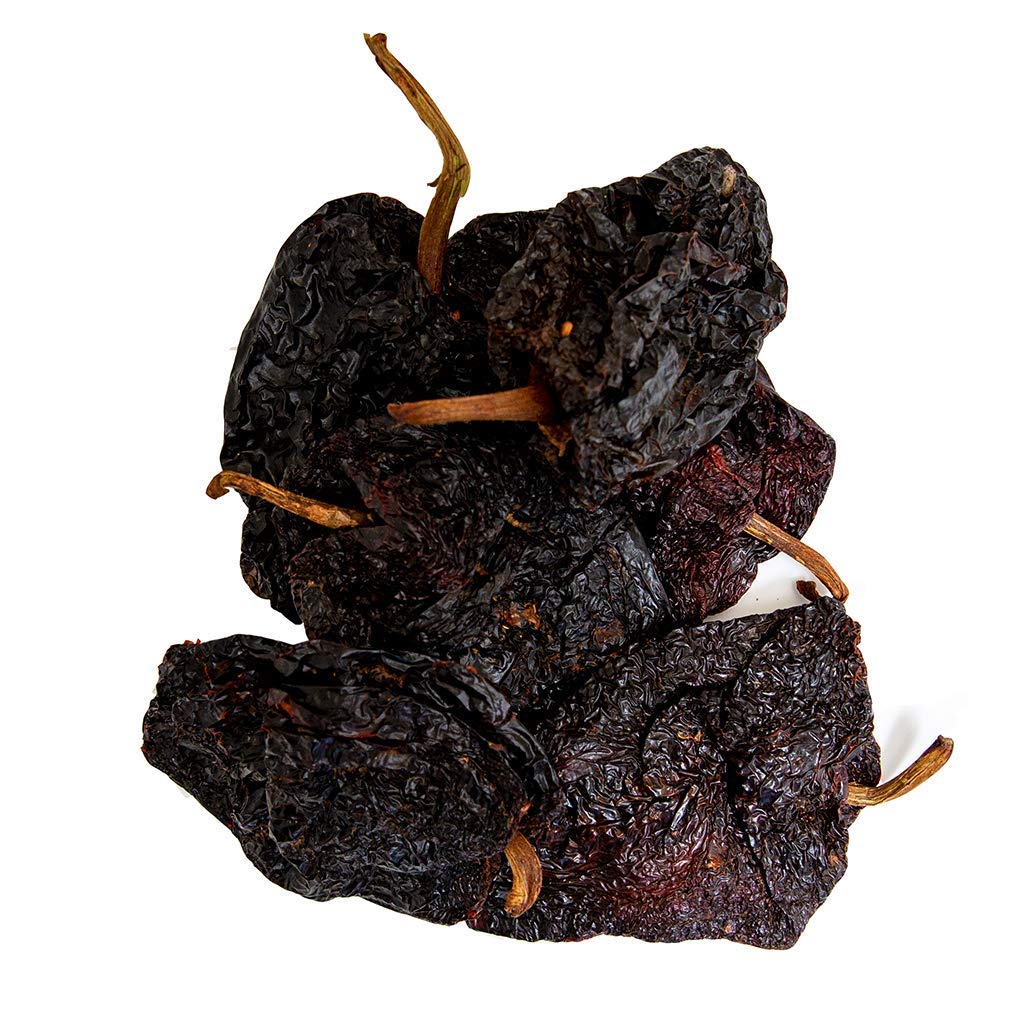
Whole dried anchos win when your chili technique starts with a rehydrated chile sauce as the flavor base. This is the method at the heart of competition-circuit Texas-style chili and serious homemade red chili — toasting whole anchos in a dry pan, then soaking them in hot liquid (water, stock, or a combination) until softened, then blending into a smooth paste. The flavor extraction is more complete and layered than powder can replicate.
Chili Pepper Madness’ “Ancho Pepper Guide” specifically notes that rehydrating concentrates the ancho’s signature profile — deep sweetness, chocolate undertone, mild dried-fruit finish — in a way that dry-spice additions can’t fully match. Buyers of single-origin whole dried anchos from transparent suppliers (Rancho Gordo is the benchmark example in this category) consistently describe a flavor range that justifies the prep time.
Whole also wins when you want to control grind coarseness. Grinding your own lets you choose texture — coarser for a rustically integrated powder in long-simmered chili, finer for seamless blending in smooth sauces. And if you’re sourcing intentionally from a supplier with visible harvest-date information, you’re operating at the top of what this ingredient can deliver.
Best for: Cooks building rehydrated chile bases, sourcing from specialty suppliers, running a serious chili program where process is part of the point.
1lb
$14.97
In stock on Amazon
Check price on AmazonPre-Ground Ancho Powder: The Weeknight and Workflow Winner
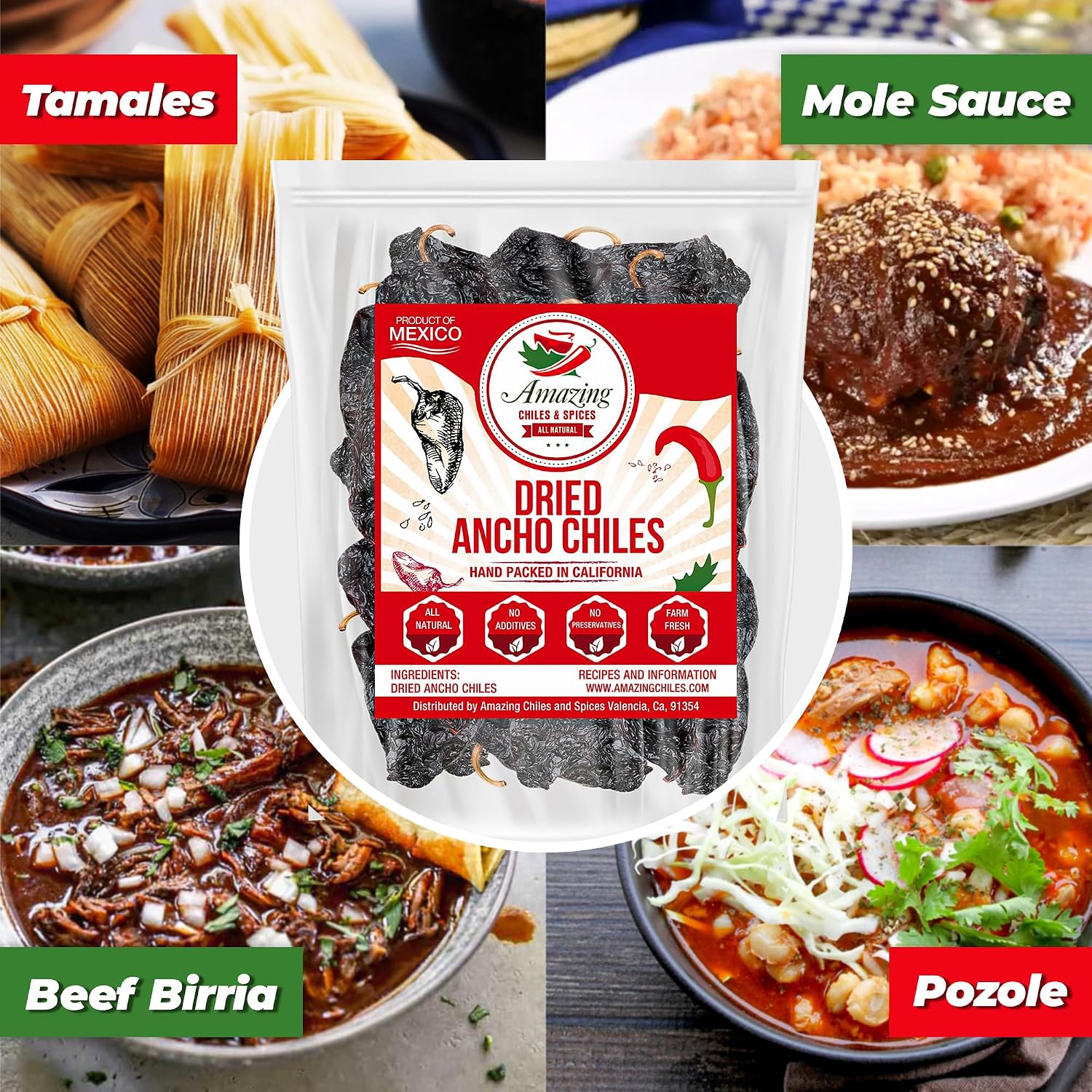
Pre-ground ancho powder wins when you’re blending, building at scale, or working inside a 45-minute weeknight window. A measured tablespoon of ancho powder integrates instantly into a dry spice blend or into fat during the blooming stage of a recipe. There’s no toasting, no soaking, no blending step — and in a multi-component recipe where you’re already managing several moving parts, that’s a real workflow advantage.
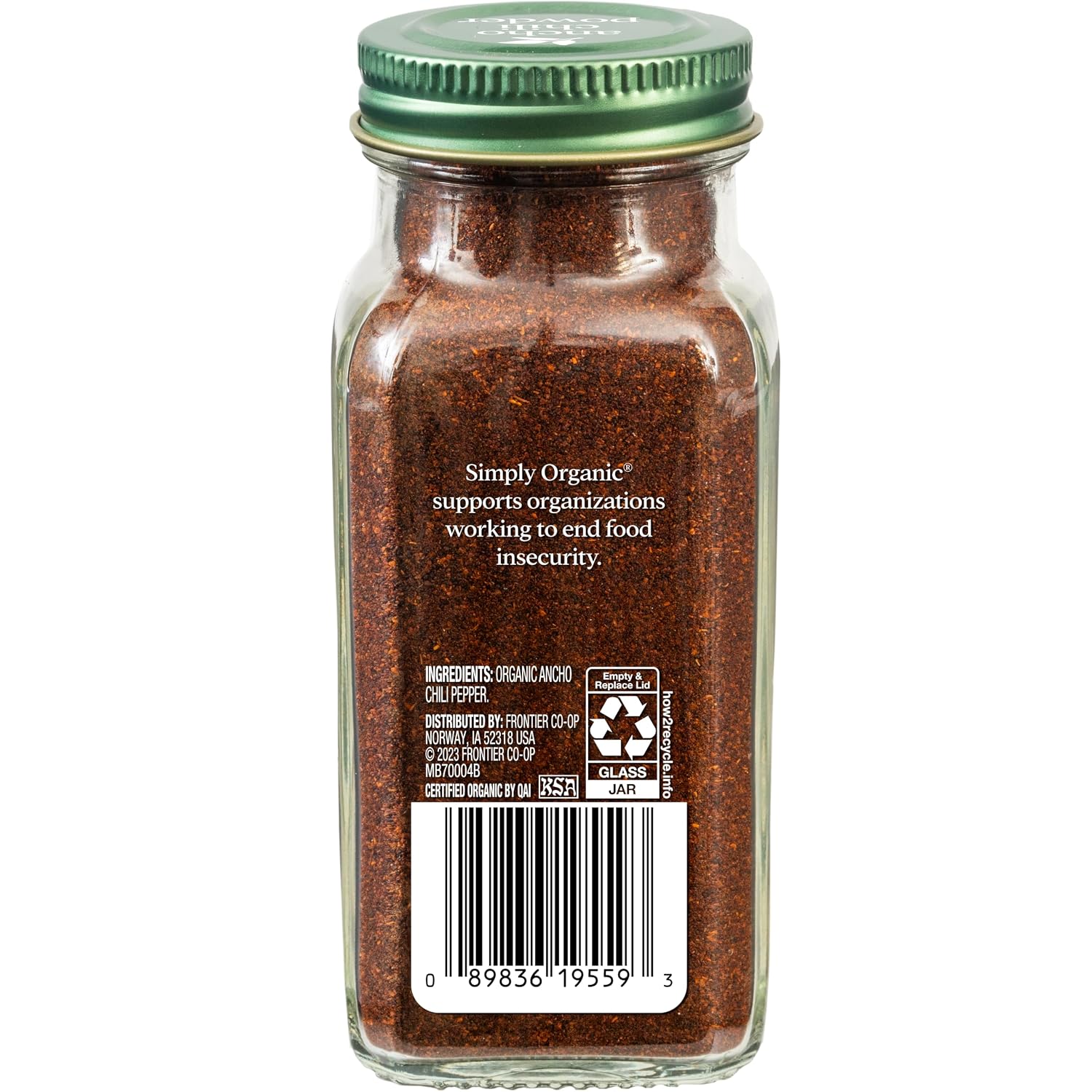
Powder also wins when freshness sourcing is uncertain on the whole-pod side. A quality ancho powder from a producer with meaningful sourcing transparency — Simply Organic’s ancho powder earns consistent buyer marks for reliable flavor impact in chili, and its organic certification provides at least one transparency layer when harvest date on whole pods is unverifiable — will outperform stale whole pods every time.
One pattern worth knowing before you choose a brand for sauce work: a subset of buyers of The Spice Way ancho powder flag that the grind runs coarser than expected. That coarser grind can mean incomplete integration in smooth blended sauces or dry rubs. For long-simmered chili, it matters less — a two-hour braise gives any commercial grind time to dissolve fully. But for a quick-cook sauce or a finishing rub, look for fine-ground or grind fresh from whole pods.
Best for: Weeknight cooks, spice-blend builders, cooks scaling recipes, anyone whose whole-chile local sourcing is unreliable.
Dried
$7.34
In stock on Amazon
Check price on AmazonBoth in Rotation: The Complementary-Tool Approach
If you’re running a serious chili program, the most practical answer is to stop treating these as competing products. Keep whole dried anchos on hand for your rehydrated base sauce — that’s where the flavor ceiling lives. Keep a jar of quality pre-ground ancho powder for finishing, blending, dry rubs, and weeknight backup when there’s no time for a full rehydration sequence.
Saveur’s “The Difference Between Ground Chile Powder and Chili Powder” draws a useful distinction here: rehydrated whole chiles deliver a wetter, more complex flavor contribution than dry powder alone, which means they’re doing different structural work in a recipe. Powder handles the background hum and adjustability; a rehydrated whole-ancho paste handles the architectural layer of flavor that gives a competition-caliber chili its depth. Using both isn’t redundant — it’s building a fuller flavor profile than either form achieves alone.
Serious Eats’ “The Serious Eats Guide to Dried Chiles” reinforces that whole dried chiles, stored correctly, hold their quality significantly longer than ground — so the whole pods you’re using for weekend cooking won’t degrade noticeably between sessions as long as storage is airtight and away from heat.
Best for: Serious chili cooks who want peak flexibility, cooks developing a signature recipe, anyone running both weekend cooking sessions and weeknight cooking.
Simply
$5.67
In stock on Amazon
Check price on AmazonBy the Numbers
| Format | Typical Shelf Life (unopened) | Shelf Life (opened, airtight) | Active Prep Time |
|---|---|---|---|
| Whole dried ancho, fresh-sourced | 12–24 months | 6–12 months | 15–20 min (toast, soak, blend) |
| Quality ancho powder | 12–18 months | 6–9 months | None beyond measuring |
| Whole ancho, indeterminate grocery sourcing | Variable | — | 15–20 min for diminished return |
Shelf life estimates based on guidance in Serious Eats’ “The Serious Eats Guide to Dried Chiles” and Epicurious’ “How to Buy, Store, and Cook With Dried Chiles.” “Opened” assumes airtight resealing in a cool, dark location.
Frequently Asked Questions
Can you use ancho powder in a 1:1 substitution for a rehydrated whole dried ancho in a chili recipe?
Not exactly 1:1, and the gap matters. A single rehydrated whole dried ancho (medium-large pod) contributes roughly one to two tablespoons of ground powder equivalent plus soaking liquid that carries dissolved flavor compounds — and the rehydration process extracts volatile aromatics differently than dry heat alone. Saveur’s “The Difference Between Ground Chile Powder and Chili Powder” notes that rehydrated whole chiles deliver a wetter, more complex flavor layer than dry powder alone. If substituting powder for whole, start at one tablespoon per large pod called for, then compensate for the lost liquid component with additional stock. Flavor depth will be slightly reduced but the dish will still work.
Does grind coarseness affect how ancho powder integrates into a long-simmered chili?
Yes, but less than you’d think in a two-hour braise. Coarser-ground ancho powder takes longer to hydrate and dissolve, but a long simmer gives it time to integrate fully. Where coarseness creates a real problem is in short-cook applications, smooth blended sauces, or dry rubs — contexts where undissolved granules remain detectable on the palate. If your primary use is a long-simmered chili, most commercial ancho powders will perform comparably regardless of grind. If you’re making a quick-cook sauce or a rub, buy fine-ground or grind fresh from whole pods.
How do you store whole dried ancho chiles so they stay pliable for months?
The enemy is ambient humidity fluctuation and heat exposure, not dryness per se. Epicurious’ “How to Buy, Store, and Cook With Dried Chiles” recommends an airtight container — a glass jar or resealable bag with the air pressed out — stored away from heat and direct light. A kitchen cabinet away from the stove is better than a rack next to the range. Food52’s “Everything You Need to Know About Dried Chiles” notes that freezing whole dried chiles in sealed bags works well for storage beyond six months — they come out pliable and usable with no meaningful flavor loss. If your chiles have already gone brittle, a brief microwave pass (five to ten seconds with a damp paper towel nearby) can partially restore flexibility for immediate use.
Is there a meaningful flavor difference between organic and conventional ancho powder?
The evidence from buyer reviews suggests the organic certification signals sourcing care and freshness transparency more than it signals a detectably different flavor profile in the finished bowl. Organic certification requires transparency in sourcing and prohibits certain post-harvest treatments that can affect shelf stability — which is a real practical benefit when you can’t verify harvest date directly. Whether you’ll taste “organic” versus “conventional” in a finished chili is unlikely; whether you get a fresher product with more sourcing visibility is a more defensible claim.
How many whole dried anchos produce roughly one tablespoon of ground ancho powder?
Approximately one medium to large dried ancho pod, stems and seeds removed, yields one to one-and-a-half tablespoons of ground powder depending on the pod’s size and moisture content. Smaller or older pods — which have lost more moisture — will produce slightly less volume. For planning purposes: if a recipe calls for three tablespoons of ancho powder, buy at least three to four whole pods to ensure enough yield with some margin for variance.