Chili powder is one of those ingredients that looks identical in every jar at the grocery store — reddish-brown, finely ground, promises warmth on the label — but cooks to wildly different results. If you’re new to making chili from scratch, “chili powder” (note the spelling: this is a blend of spices, not pure ground chile) typically contains ground dried chiles mixed with cumin, garlic powder, oregano, and sometimes salt. That blend is doing a lot of work in your pot. The quality of the individual chiles, how recently they were ground, and what else was mixed in determines whether your bowl tastes complex and alive or flat and vaguely dusty. This article breaks down the most widely available options in the $5–$20 range, compares them on the factors that actually matter — chile sourcing, freshness indicators, blend composition, and how they perform in a finished bowl — and gives you a clear decision framework for what to buy based on where you are in your chili journey.
If you’ve already moved past the “I’m just following the recipe on the back of the McCormick jar” phase, this is for you. The gap between a grocery-aisle blend and a thoughtfully sourced chili powder is real and measurable. Let’s map it.
What “Blind” Taste-Testing Actually Reveals (And What We Can Learn From It)
When Cook’s Illustrated convened a panel to evaluate commercial chili powders, they were primarily measuring dissolved flavor in a neutral medium — essentially: what does this powder contribute to a pot of beans and meat when every other variable is held constant? That methodology strips away the psychological comfort of a familiar label and forces the question: does this powder make the food taste better?
The aggregated findings across Cook’s Illustrated’s chili powder panel, Serious Eats’ tasting overview, and home-cook review patterns on retail platforms point to the same short list of fault lines:
Fault line 1: Chile species and origin. Blends built on ancho (dried poblano — earthy, mild, slightly chocolatey), guajillo (dried mirasol chile — sharper, fruitier, moderate heat), or pasilla (dried chilaca — rich, raisin-like) tend to score higher for depth than blends that list only “red pepper” or “cayenne” as the chile base. The Epicurious explainer on “The Difference Between Chili Powder and Chile Powder” draws this line clearly: generic “chili powder” can legally contain almost any red chile; specialty blends specify the cultivar.
Fault line 2: Freshness and grind date. Ground dried chiles lose volatile aromatic compounds — the oils responsible for fruity, smoky, and floral top notes — within months of grinding. Splendid Table’s discussions of dried chile flavor profiles emphasize that the same chile fresh-ground versus one-year-old produces a taste difference even a non-specialist can detect. Look for: a lot or grind date on the label, opaque (not clear) packaging, and a strong smell out of the jar. If it smells faint, it is faint.
Fault line 3: Cumin ratio. Many grocery-aisle blends over-lean on cumin because it’s cheap and familiar. Cumin-forward blends read as “Mexican food seasoning” rather than “chili base.” Competition-circuit chili makers — as covered in Texas Monthly’s reporting on CASI and ICS circuit cooking — tend to buy cumin separately for this reason, so they can dial the ratio themselves.
The Ranking: $5–$20 Chili Powders, Ordered by Delivered Value
This ranking synthesizes published editorial panel results (Serious Eats, Cook’s Illustrated), manufacturer-published ingredient and sourcing specs, and aggregated patterns across long-run home-cook reviews. Products are available nationally through grocery chains and specialty spice retailers.
Tier 1 — Best Overall Value: Penzeys Chili 9000 / Penzeys Medium Chili Powder ($8–$12)
Penzeys consistently tops aggregated home-cook rankings for chili powder, and the ingredient specs explain why. Their Medium Chili Powder lists ancho and guajillo chiles as the base, with cumin kept to a supporting role rather than the lead. The Chili 9000 blend — named for the number of Scoville heat units it targets — adds chipotle and pasilla to the stack, giving it a smokier, more layered profile. Serious Eats’ chili powder overview names Penzeys as a benchmark for the category. Owners consistently report that switching to Penzeys from grocery-store blends is one of the most immediately noticeable flavor upgrades in their chili.
The tradeoff: Penzeys isn’t available in most grocery stores. You’re ordering online or visiting a Penzeys retail location. Minimum order economics matter: if you’re buying one jar and paying flat-rate shipping, your effective price is closer to $15.
Tier 2 — Best Grocery-Aisle Option: McCormick Dark Chili Powder ($5–$7)
Among the products you can grab at a standard grocery store, McCormick’s Dark Chili Powder (not the standard red-label blend) outperforms its siblings in aggregated review patterns. Cook’s Illustrated’s panel noted it as the strongest showing from a mass-market brand in head-to-head comparison with specialty options. The “dark” designation reflects a higher proportion of pasilla and ancho relative to cayenne, which shifts it away from the flat, heat-only profile of the standard blend.
The tradeoff: Ingredient specs don’t list specific chile cultivars or origin, and there’s no grind date — a transparency gap that matters to sourcing-conscious cooks. What you’re buying is consistency and convenience, not provenance.
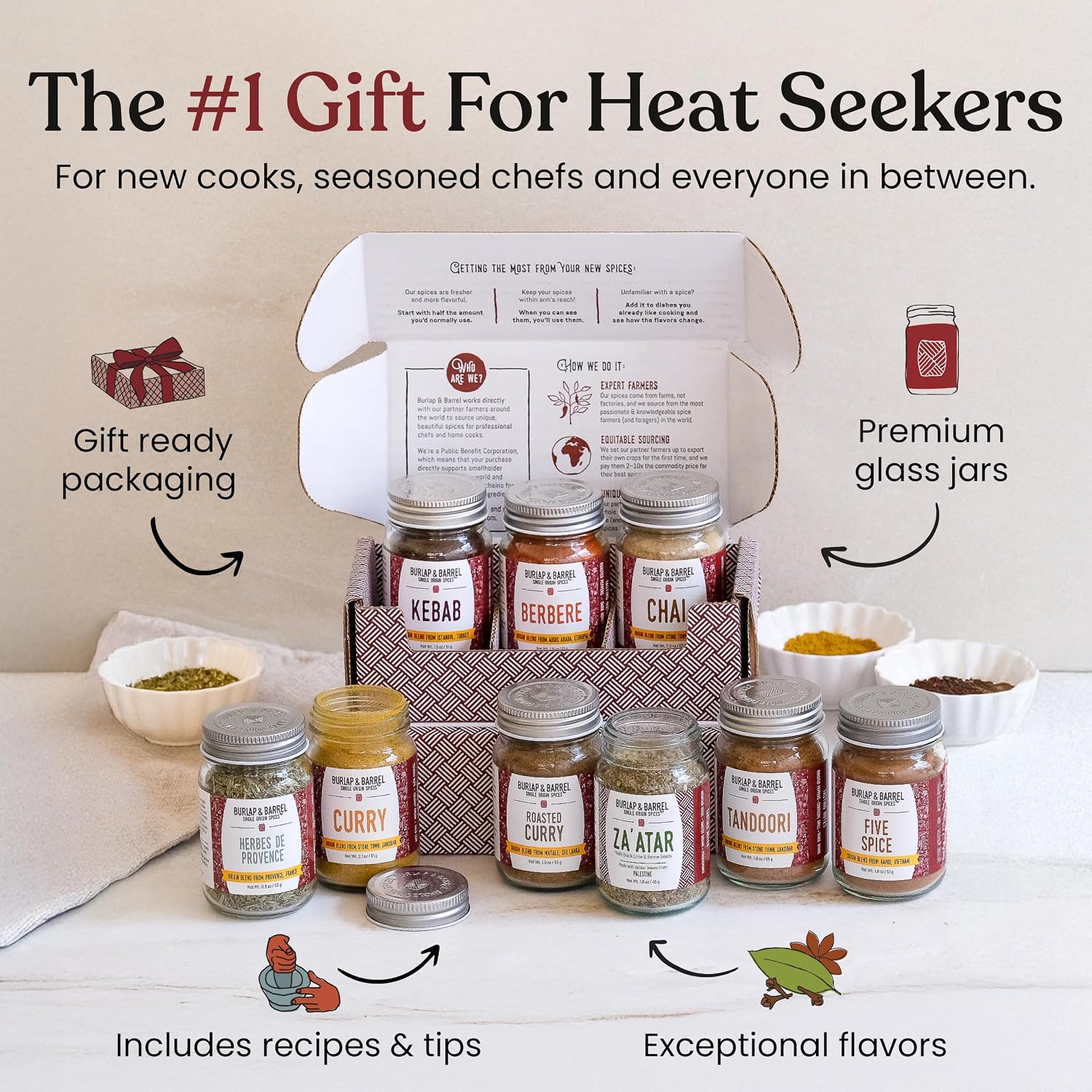
Tier 3 — Best for Serious Cooking: Burlap & Barrel Single-Origin Chili Powder Blends ($12–$18)
Burlap & Barrel publishes sourcing information for every product — harvest region, partner farm or co-op, and in some cases the specific growing season. Their chili-adjacent blends (including their smoked chiles and ground anchos) arrive noticeably fresher than anything on a grocery shelf because their turnover volume keeps product moving through the supply chain faster. Saveur’s “Know Your Chiles” sourcing guide highlights single-origin spice companies as the highest-transparency option for home cooks who want to understand what they’re actually buying.
The tradeoff: These are specialty products, not always labeled “chili powder” per se — you may be buying a ground ancho or a smoked guajillo that you’ll blend yourself. That’s a feature for experienced cooks and a friction point for beginners.
Tier 4 — Best Entry Point for Blend-It-Yourself: Morton & Bassett Chili Powder ($7–$10)
Morton & Bassett occupies the honest middle: better transparency than McCormick (they list constituent chiles and don’t use artificial additives), widely available in natural grocery stores, and priced close to the commodity end. Home-cook reviews across retail platforms consistently describe it as “clean” — meaning the cumin doesn’t overwhelm, the salt isn’t doing heavy lifting, and the chile flavor reads as actually present. It’s the right starting point if you’re transitioning away from standard grocery blends and not yet ready to order from a specialty spice vendor.
By the Numbers
| Product | Price Range | Named Chile Species? | Grind Date on Label? | Cumin Control |
|---|---|---|---|---|
| Penzeys Medium / Chili 9000 | $8–$12 | Yes (ancho, guajillo, chipotle) | No, but fast turnover | Moderate — well-balanced |
| McCormick Dark Chili Powder | $5–$7 | No | No | Moderate |
| Burlap & Barrel single-origin | $12–$18 | Yes (single-origin) | Harvest date on some | DIY — you control it |
| Morton & Bassett Chili Powder | $7–$10 | Partial | No | Low — clean profile |
The Variables That Separate a Good Powder From a Great Bowl
Understanding the ranking above is useful. Understanding why it shakes out this way is what lets you make better calls when a new product hits the market or you’re standing in a specialty store with an unfamiliar label in hand.
Age is the quiet killer. Dried chiles contain volatile aromatic compounds — the molecules responsible for fruity, floral, and smoky top notes — that degrade predictably after grinding. The Splendid Table’s chile flavor discussions return to this point consistently: a pasilla ground six months ago and a pasilla ground two years ago are not the same ingredient. Whole dried chiles keep those volatiles sealed in the pod for 12–18 months under good storage conditions. Pre-ground powder starts the clock immediately. This is why fast-moving specialty retailers like Burlap & Barrel and Penzeys tend to outperform grocery blends regardless of starting chile quality: fresher product at the consumer level.
The cumin question. If you’ve ever made a batch of chili that tasted more like a taco seasoning packet than a bowl of red, cumin ratio is likely the culprit. Standard grocery-aisle blends run cumin at roughly 15–25% of the blend by some industry estimates — enough to dominate the flavor profile. Serious competition chili cooks, as documented in Texas Monthly’s coverage of CASI and ICS circuit events, routinely buy cumin separately so they’re not fighting the blend’s preset ratio. If you’re buying a grocery-aisle powder, tasting it dry before committing it to a pot tells you a lot: if cumin is the loudest note, plan to go light on it in the bowl.
Bloom matters. Chili powder should be bloomed — cooked briefly in oil or fat before liquid is added — to activate fat-soluble flavor compounds. Even a mediocre powder improves noticeably when it’s had 60–90 seconds in hot oil before the broth goes in. The inverse is also true: even a premium powder thrown directly into cold liquid without blooming loses half its performance. This is technique leverage that costs nothing.
The Decision Framework: If X, Then Y
If you’re making your first real scratch chili and want the simplest upgrade from a generic grocery blend: buy McCormick Dark Chili Powder for this batch, note the flavor gaps, and use Penzeys for the next one. The comparison across two batches teaches you more than reading any article.
If you have 6–12 months of scratch chili under your belt and you’re noticing that your bowls taste similar no matter what you do: switch to Penzeys Medium or Chili 9000. The named-chile-species formulation will immediately show you what “more bottom” tastes like in a finished bowl. Budget $12–$15 per jar with shipping factored in.
If you’re building a serious spice shelf — meaning you’re already sourcing dried chiles separately, grinding in small batches, and thinking about competition-style chili — stop buying pre-blended chili powder as your primary base. Use Burlap & Barrel single-origin ground chiles and Morton & Bassett for your cumin and oregano, and assemble the blend yourself. The control you gain over ratio and freshness is the entire point of working at this level.
If you’re buying as a gift for a chili-obsessed home cook: a Penzeys sampler or a Burlap & Barrel chile trio hits above its price point as a gift. These are products the recipient likely knows about but hasn’t bought for themselves — which is the exact calculus that makes a food gift land well.
The bowl is honest about what went into it. The powder you choose is the first signal.