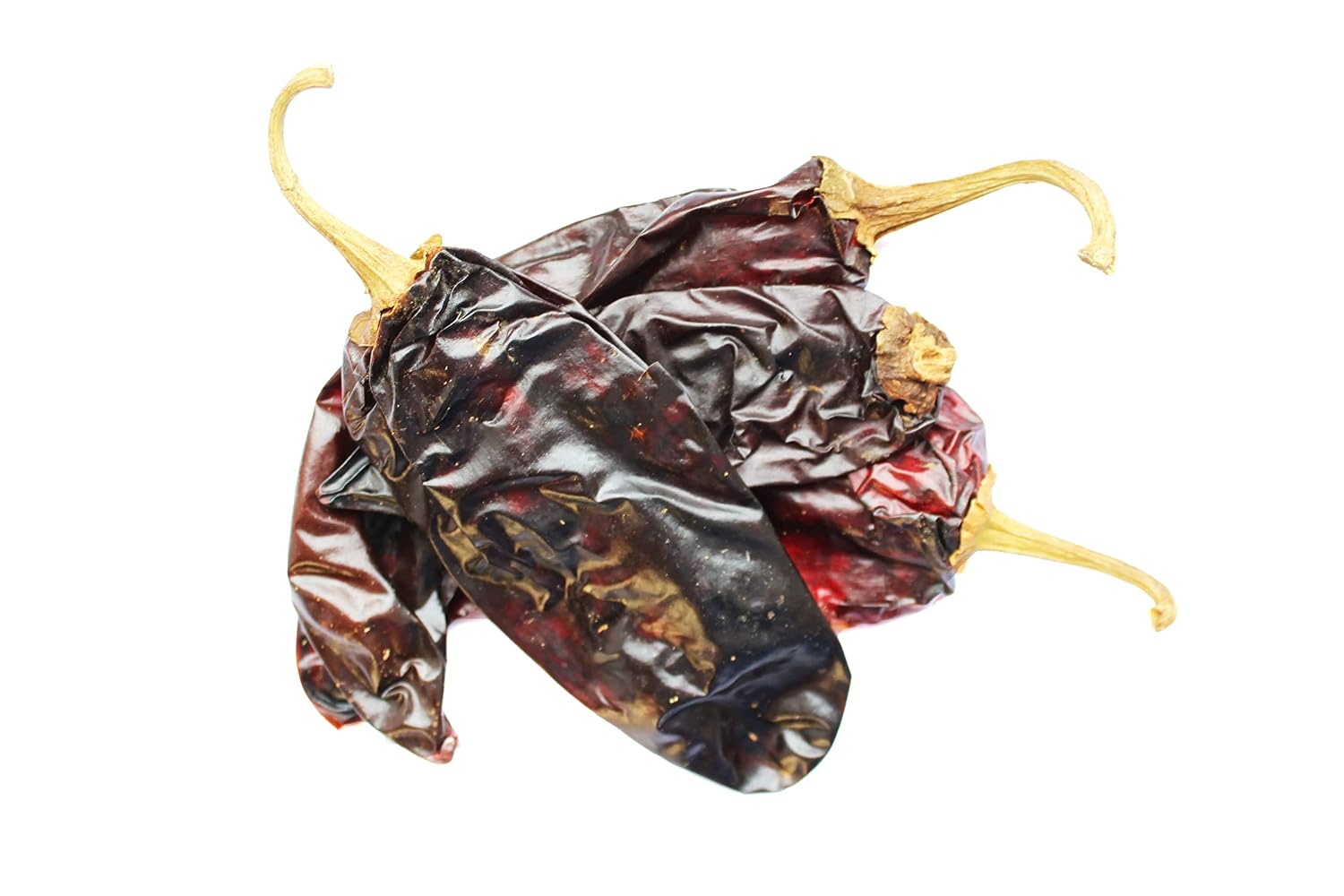
Texas chili — specifically the style the International Chili Society and Chili Appreciation Society International competitions have codified for decades — is one of the most opinionated dishes in American cooking. The core rule is disarmingly simple: no beans, no tomato products, no commercial chili powder (a pre-blended mix of dried chiles, cumin, garlic, and fillers). What you get instead is meat and a pure chile puree, built from whole dried pods you toast, soak, and blend yourself. That puree is the chili. It is simultaneously the sauce, the seasoning, and the structural identity of the bowl. If you have never cooked this way before, the first time you blend your own rehydrated chiles into a rust-red, aromatic paste and smell the difference between that and a shaken-out jar of powder, something clicks and does not unclick. This article walks you through exactly how to do it using three specific dried chiles — Hatch New Mexico, pasilla, and guajillo — why that combination works, and how to source and evaluate each one before they ever hit your pot.
| EDITOR'S PICKDried Chile Peppers Variety Pac… | Mid-tierDried Mexican Pasilla Chilaca C… | Budget pickGuajillo Chiles Peppers Dried W… | |
|---|---|---|---|
| Pepper types | Ancho, Guajillo, Pasilla | Pasilla Chilaca | Guajillo |
| Total weight | 12 oz | 8 oz | 4 oz |
| Pack count | — | 1 | — |
| Heat level | — | — | Mild to medium |
| Resealable | — | — | ✓ |
| Price | $18.95 | $9.97 | $7.31 |
| See on Amazon → | See on Amazon → | See on Amazon → |
Why These Three Chiles, and What Each One Actually Does
The combination of Hatch New Mexico, pasilla, and guajillo is not arbitrary. It is a flavor-architecture decision: each chile fills a distinct role in the puree, and together they cover the range of qualities a great Texas chili needs — body, brightness, earthiness, and moderate heat that builds rather than bites.
Hatch New Mexico chiles (dried, not fresh) are the anchor. The Hatch designation refers to chiles grown in the Hatch Valley of New Mexico, where the combination of high altitude, alkaline soil, and intense sun produces pods with a clean, forward heat and a subtly roasted quality even when dried without toasting. The Chile Pepper Institute at New Mexico State University notes that Hatch-grown NM 6-4 and Big Jim varieties consistently rate between 500 and 2,500 Scoville heat units (the standard unit for measuring capsaicin concentration), placing them in the mild-to-medium tier — hot enough to matter, restrained enough that your puree stays palatable after you use enough chiles to actually flavor two pounds of beef. Reviewers who have sourced Hatch dried pods specifically call out how difficult these are to find outside the Southwest; if you are in Chicago, Minneapolis, or anywhere east of Albuquerque, the local grocery store almost certainly does not carry them. That accessibility gap is real, and it makes mail-order sourcing from specialty producers the practical path for most home cooks.
Guajillo is the brightness and structure chile. Saveur’s field guide to dried chiles describes guajillo as the most widely used dried chile in Mexican cooking — a long, brick-red pod with a smooth, almost lacquered skin. The flavor profile reviewers and cooks consistently land on: tangy, slightly sweet, with a hint of smoke and a clean finish. In a puree, guajillo provides the acidity that keeps the bowl from reading as heavy or muddy. It also blends exceptionally smooth because its skin is thin. Freshness is easy to assess: a fresh guajillo pod should be pliable and bend without snapping. Pods that crack or crumble when you flex them have dried past their prime and will produce a bitter, flat puree. When reviewers cite “pliability on arrival” as the key quality signal for guajillo, they are describing the exact same thing — a pod that still has residual moisture in the skin, which indicates it was properly dried, stored in low humidity, and has not been sitting in a warehouse for eighteen months.
Pasilla (“little raisin” in Spanish — named for its wrinkled, dark, nearly black skin) is the depth and earthiness chile. Where guajillo reads bright and tangy, pasilla reads dark and dried-fruit-forward, with notes that serious tasters describe as chocolate, dried plum, and mild tobacco. Serious Eats’ dried chile guide notes that pasilla occupies the low end of the heat spectrum (roughly 250–4,000 Scoville), which means its role in this build is almost entirely about flavor complexity rather than heat delivery. Reviewers consistently note that quality pasilla pods arrive plump and whole with no broken pieces — and like guajillo, that physical integrity is your freshness proxy. A broken, shrunken pasilla pod has lost volatile aromatic compounds and will contribute color but not much flavor.
The Flavor Tradeoff Matrix
| Chile | Primary Note | Heat Level | Freshness Signal | Role in Puree |
|---|---|---|---|---|
| Hatch New Mexico | Clean, roasted | Mild–medium | Supple, flexible | Heat backbone |
| Guajillo | Tangy, sweet, slight smoke | Mild | Pliable, no cracking | Brightness + structure |
| Pasilla | Dark fruit, earthy | Very mild | Plump, intact pods | Depth + complexity |
How to Source, Inspect, and Store Dried Chiles Before You Cook
The sourcing conversation matters more for dried chiles than for almost any other pantry ingredient, because the quality signal is invisible until you open the bag. Here is what the evidence from growers, culinary sources, and aggregated buyer feedback actually tells you.
Harvest date is the first filter. Current-crop dried chiles — meaning pods from the most recent growing season — will outperform old-crop chiles every time. Epicurious’ rehydration guide notes that properly dried chiles can remain usable for up to two years, but the aromatic compounds that make the difference between a complex puree and a flat one degrade significantly after the first twelve months. Specialty suppliers who emphasize small-batch, dated lots are not just marketing; the harvest date is a meaningful quality signal. When a bag lists a “best by” date two or more years out from your purchase, that is not necessarily bad — it depends on when the clock started. An expiration date paired with a harvest or pack date gives you the full picture.
Resealable packaging is a genuine quality indicator. This sounds mundane, but reviewers across multiple dried chile categories cite resealable bags as a practical purchase driver — and they are right to. Dried chiles stored in an unsealed bag or a loosely folded top will absorb ambient humidity and lose aromatic volatiles simultaneously. A proper reseal keeps the humidity inside the bag low and consistent. If a specialty producer is taking the trouble to package in a nitrogen-flushed, resealable bag, they are likely also controlling the drying and storage conditions upstream.
Physical inspection checklist (pre-soak):
- Bend the pod. It should flex without snapping. A cracking pod is over-dried.
- Check for mold — white or green patches, especially near the stem.
- Smell the bag. You should get an immediate hit of fruity, earthy, or smoky aroma depending on the variety. If the bag smells like cardboard or nothing, the aromatics are gone.
- Look for whole, unbroken pods. Broken pieces are not unusable, but a bag of fragments suggests rough handling and possibly low humidity during storage.
The Hatch availability problem. The Chile Pepper Institute’s variety documentation reinforces what reviewers consistently report: Hatch-designated New Mexico chiles grown specifically in the Hatch Valley are a regionally concentrated crop. Most of what gets labeled “New Mexico chile” in national grocery chains is not Hatch-origin. If provenance matters to you — and for a Texas chili built on three-chile authenticity, it probably does — confirm the supplier is sourcing from Hatch Valley farms, not just marketing the name. Specialty online retailers who list specific farm or co-op sourcing are your most reliable path.
Building the Puree: Ratios, Method, and the No-Tomato Constraint
Texas Monthly’s feature on Texas chili rules (a piece that has been the de facto reference for competition-circuit cooks for years) makes the no-tomato constraint explicit: tomato products add sweetness and acidity that compete with the chile’s own flavor profile, and they change the texture of the puree from tight and rich to sauce-like. When you remove tomato, you need the chiles themselves to carry all the body and flavor. That is why the ratio matters.
By the numbers — dried chiles per quart of Texas-style chili:
- 6–8 total dried pods per quart of finished chili (no beans, no tomato)
- Suggested split: 3 Hatch NM + 2–3 guajillo + 1–2 pasilla
- Soaking time: 20–30 minutes in just-boiled water (not boiling — it can turn the skin bitter)
- Puree yield: approximately ¾ cup thick paste per 6 pods, before thinning with soaking liquid
The soaking liquid itself is a decision point. It carries color and some bitterness from the chile skins. Food52’s chile rehydration coverage recommends tasting the liquid before adding it back to the pot; if it is intensely bitter, discard and use fresh water or beef stock. If it tastes complex and earthy, it is worth keeping — it deepens the final color and adds another layer of flavor.
Toast first, or not? Toasting dried chiles in a dry skillet for 30–60 seconds per side before soaking is standard practice in Mexican cooking and adds a pleasant smokiness. For a Hatch-forward Texas chili, the call is genuinely personal: the Hatch pods already carry a roasted quality, and heavy toasting can push the profile toward bitter if you overshoot. A light toast — just until fragrant, no darkening of the skin — is safer than no toast at all.
Frequently Asked Questions
How many dried chiles do you need per quart of Texas-style chili with no tomato or beans? Plan on 6–8 whole dried pods per quart of finished chili. Without tomato or beans contributing volume and body, the chile puree is doing all the structural work, so under-chiling produces a thin, pale bowl. The 3:2:1 ratio of Hatch to guajillo to pasilla is a reliable starting point; adjust the pasilla up if you want more earthiness, guajillo up if you want more brightness.
How do you tell if a dried chile is fresh enough to rehydrate properly? Flex the pod. A fresh, properly stored dried chile bends without cracking — this residual pliability indicates the skin’s cell structure is still intact and will rehydrate fully. Beyond the bend test: smell the pod directly. Fresh dried chiles smell immediately fruity, earthy, or smoky depending on variety. A neutral or papery smell means the aromatics have off-gassed. Visual check: look for uniform color, no mold, and intact skin with no powdery texture.
Can you substitute guajillo for Hatch New Mexico chiles if you can’t find Hatch? You can, but the substitution changes the heat profile more than the flavor profile. Guajillo is milder and tangier than Hatch NM; replacing all your Hatch with guajillo will produce a brighter, more acidic puree and lower overall heat. A more accurate substitute for the Hatch’s clean, forward heat is a dried Anaheim or California chile — similar heat range, similar roasted quality. If you cannot find either Hatch or Anaheim dried, add a small dried ancho for body and accept that the heat will be softer.
What does pasilla add that guajillo cannot, and vice versa? Pasilla contributes dark fruit complexity — dried plum, chocolate undertones, a slight earthiness that reads as “depth” in the finished bowl. It does almost nothing for heat. Guajillo contributes brightness and acidity, the tangy-sweet quality that keeps the puree from reading as flat or muddy. Guajillo also blends to a smoother texture. Neither chile can replicate the other’s role: a puree made only from guajillo will be bright but thin in complexity; a puree made only from pasilla will be deep but heavy. The combination is what creates range.
How long does a rehydrated chile puree last in the refrigerator? Per Epicurious’ rehydration guidance and standard food-safety practice, a blended chile puree stored in an airtight container keeps reliably for 5–7 days in the refrigerator. For longer storage, freeze in ice cube trays and transfer to a sealed bag — frozen chile puree holds flavor well for up to three months. Label with the date and chile composition; the purées look similar after freezing.